
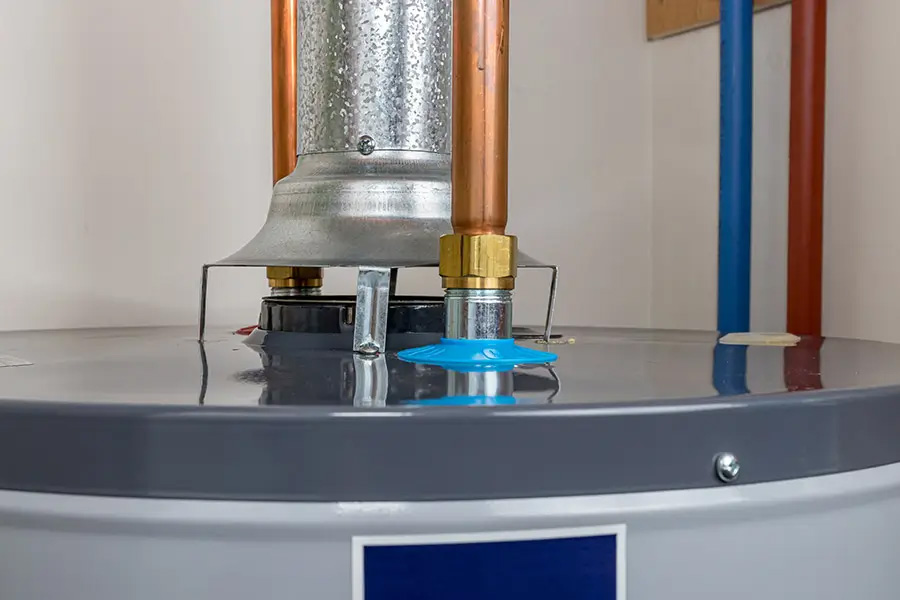
If you’re facing issues with your water heater in Fort Worth, TX, it’s crucial to act quickly. Common problems like a lack of hot water, leaks, or strange noises can signal underlying issues that need your attention. Start by checking the power supply and thermostat settings, but don’t stop there. Let’s explore the steps to guarantee your water heater runs efficiently and effectively.
Identifying Water Heater Problems
When your water heater isn’t working properly, how can you tell what the issue is? Start by checking for common signs of trouble. If you notice a lack of hot water, it clearly indicates something’s wrong.
You might also see leaks around the unit or hear unusual noises, like popping or rumbling, which suggest sediment buildup. Additionally, it’s time to investigate further if the water temperature fluctuates or your heater’s efficiency drops.
If your model has one, look for warning lights or error codes on the display. A discolored water supply can signal rust or corrosion, while an unpleasant odor might indicate a problem with the anode rod. Investing in routine maintenance can help prevent these issues from occurring.
Pay attention to these details, as they help pinpoint the issue and guide your next steps. If you’re unsure, don’t hesitate to contact a professional for an assessment to guarantee your water heater runs smoothly and efficiently.
Checking the Power Supply
Before diving into more complex troubleshooting, it’s essential to check the power supply to your water heater.
Start by ensuring it’s plugged in if you have an electric model. Look for any tripped circuit breakers or blown fuses in your electrical panel. If you spot a tripped breaker, reset it and see if that resolves the issue.
For gas water heaters, make sure the gas valve is open. Check the pilot light; if it’s out, you might need to relight it carefully following the manufacturer’s instructions.
If everything looks good but your water heater still isn’t working, consider whether a power surge may have affected your unit. It’s also helpful to inspect any visible wiring for damage. You can rely on the trusted water heater replacement experts at Benjamin Franklin Plumbing of Fort Worth for more comprehensive assistance. If you’re still having issues after these checks, it may be time to call a professional, like Benjamin Franklin Plumbing of Fort Worth, for further assistance.
Inspecting the Thermostat Settings
After checking the power supply, it’s time to inspect the thermostat settings on your water heater. Incorrect thermostat settings can lead to inconsistent water temperatures, so here’s what you should do:
- Check Temperature Settings: Confirm the thermostat is set to a comfortable temperature, typically between 120°F and 140°F. Anything higher could risk scalding.
- Inspect for Faults: Look for any signs of malfunction or damage. If the thermostat feels hot to the touch or is making unusual noises, it might need replacing.
- Test the Functionality: Turn the thermostat down and back up, then listen for the water heater to kick on. If it doesn’t, the thermostat may be faulty. Additionally, consider the importance of regular maintenance to ensure your plumbing system operates efficiently and to prevent future issues.
Examining the Heating Elements
Although thermostat settings are esse