
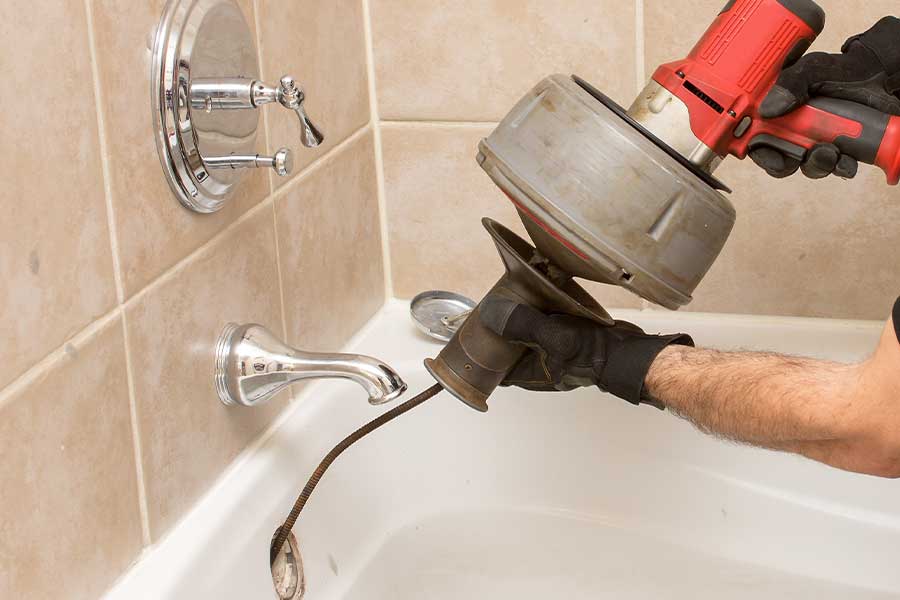
Both drain snaking and drain jetting clear clogs, but they solve different problems. Snaking is the practical choice for minor, localized blockages like hair and soap buildup, while high-pressure jetting is better for grease, sludge, and root intrusion because it scours the full pipe wall. In our work throughout Arlington, we recommend snaking for quick, isolated clogs and jetting when the problem keeps coming back. The right method depends on the type of clog, the condition of your pipes, and how often the issue returns.
Understanding Drain Clogs: What Causes Them?
Most drain clogs come from everyday buildup rather than one dramatic event. Hair, soap residue, food particles, and grease collect a little at a time, and every time you wash your hands, rinse dishes, or take a shower, that slow accumulation narrows the pipe.
Foreign objects can also slip down a drain and cause an immediate blockage. In older Arlington neighborhoods, especially the tree-lined streets near Lake Arlington, roots often work their way into pipes in search of moisture and create stubborn clogs deep in the line.
Staying mindful of what goes down your sinks and toilets helps, and so does regular inspection. The most reliable way to stop buildup before it starts is keeping your drains clear with routine professional cleaning, which catches small problems before they turn into backups.
When you understand these common causes, it is easier to protect your plumbing and keep everything flowing the way it should.
How Does Drain Snaking Work?
Drain snaking clears a clog by feeding a flexible cable through the pipe to break up or pull out the blockage. It is the go-to method many homeowners think of first, and for minor, localized clogs it often does the job quickly. Like any method, it has strengths and limits worth understanding.
Pros:
- Quick and often cost-effective for minor clogs.
- Reaches deep into pipes to remove localized blockages.
- Minimal disruption to your plumbing system.
- Does not rely on harsh chemicals.
- Generally safe for many pipe types.
Cons:
- May not address the underlying cause of recurring clogs.
- Can be labor-intensive when a clog is especially tough.
- Carries a risk of pipe damage if not done carefully.
- May not work on every type of blockage.
- Offers limited effectiveness against grease buildup or heavy debris.
Knowing these tradeoffs helps you understand when snaking is the right call. When clogs keep returning, our experienced rooter service team can clear the line and identify what keeps bringing the blockage back.
What Are the Benefits of Drain Jetting?
Drain jetting clears a line with high-pressure water that scours the full inside of the pipe, removing grease, sludge, and buildup that snaking can leave behind. It does more than punch a hole through the clog. It cleans the entire pipe wall and restores flow to near-original condition.
One of the biggest advantages is prevention. Because jetting removes the residue that clings to the pipe, it reduces how often clogs come back, which saves you time and money over the long run.
Jetting is also a clean approach that uses water alone, without harsh chemicals. For the right situation, our high-pressure jetting service handles even heavy grease and root debris efficiently, so your drains are treated thoroughly and you get lasting peace of mind.
When to Choose Snaking vs. Jetting for Your Clog?
The best choice comes down to the type and severity of the clog, the condition of your pipes, and how often the problem returns. Here is what we weigh when deciding on the right method:
- Type of clog: A simple hairball usually responds well to snaking.
- Severity: Tougher blockages from grease or roots typically call for jetting.
- Pipe condition: Older pipes may need the gentler touch of snaking to avoid damage.
- Frequency of issues: If clogs keep happening, jetting clears the line more thoroughly.
- Time constraints: Snaking is generally quicker, while jetting takes a little longer but delivers a deeper clean.
When a clog keeps returning in the same spot, guessing gets expensive. Scheduling a camera line inspection shows us exactly what is happening inside the pipe, so we can match the right method to the real problem.
Cost Considerations: Snaking or Jetting for Your Budget?
Cost usually tracks with the complexity of the job, and snaking is generally the more budget-friendly option because the technique is simpler. It works well for minor clogs and standard issues, so it is often the economical starting point.
Jetting tends to cost more because it uses advanced equipment and delivers a more complete clean. When you are dealing with stubborn blockages or recurring buildup, that investment can pay off by preventing future problems and repeat visits.
The smart move is to weigh the severity of the clog against your budget. We provide transparent, straightforward recommendations so you can choose the option that fits your situation and your wallet, without paying for more than you need.
Choosing the Right Drain Solution for Your Arlington Home
Snaking and jetting each have their place, and the right answer depends on your specific clog, not a one-size-fits-all rule. Snaking is the practical fix for minor, isolated block