
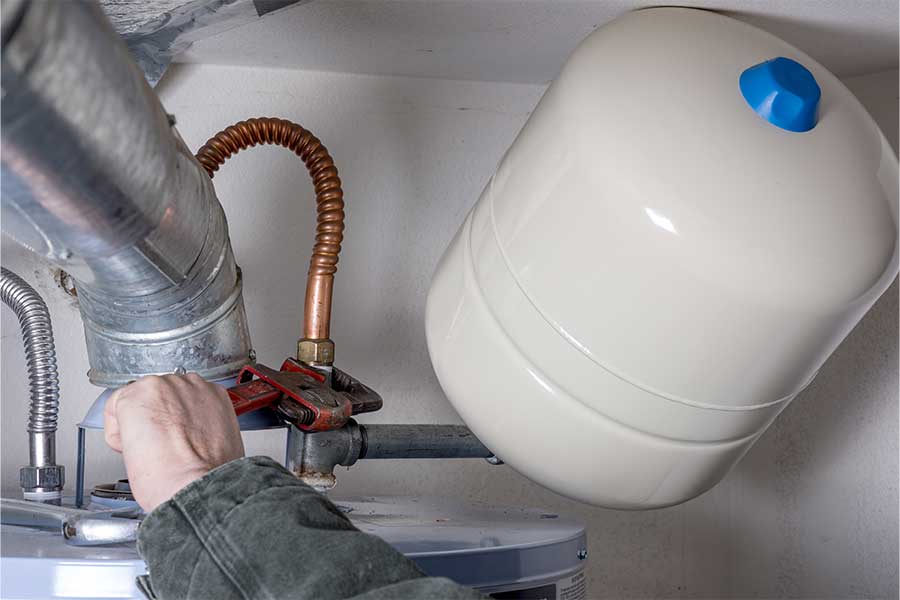
If your water heater in Fort Worth, TX, is acting up, the usual culprits are sediment buildup, a faulty thermostat, a failing heating element, or a small leak. Watch for warning signs like rumbling noises, water that never gets hot enough, discolored water, or moisture around the base. Some issues are minor, but leaks and repeated temperature swings usually call for a professional look. Based on what we see in Fort Worth homes, catching these signs early is often the difference between a simple repair and a full replacement.
What Are the Common Signs Your Water Heater Needs Attention?
Your water heater is asking for attention when it makes noise, delivers inconsistent temperatures, leaks, or produces discolored water. Each of these points to a specific underlying issue worth catching early.
Strange sounds like popping or rumbling usually signal sediment buildup on the bottom of the tank. Inconsistent water temperature, or water that never quite gets hot enough, is another clear red flag.
Pooling water around the unit can lead to bigger problems, so any moisture deserves a closer look. Discolored or rusty water often points to corrosion inside the tank.
If the pressure relief valve is leaking, or you are running out of hot water faster than usual, it is time to act. Staying ahead of these signs with prompt water heater repairs can save you from a costly failure and keep your home comfortable.
How Do Plumbers Diagnose Water Heater Problems?
When we diagnose a water heater, we work through a clear checklist to find the root cause instead of guessing. That systematic approach is what separates a lasting fix from a temporary patch. Here is what we look at when we arrive:
- Power and fuel supply: We confirm the unit is receiving power or gas and that no breaker has tripped.
- Temperature settings: We verify the thermostat is set correctly, usually around 120 degrees Fahrenheit.
- Leaks and unusual noises: We listen for popping or rumbling and inspect for any moisture that signals a leak.
From there, we can pinpoint whether the issue is sediment, a worn part, a thermostat problem, or something more serious that needs prompt repair.
When to Call a Professional for Water Heater Troubles?
Call a professional when the basics check out but the problems continue, especially with leaks, fluctuating temperatures, strange odors, or no hot water at all. These symptoms usually point to something beyond a simple adjustment.
Never ignore water pooling around the unit, since even a slow leak can lead to more extensive damage over time. Unusual sounds like popping or rumbling are another sign the unit needs expert attention.
If you have already tried the basics without success, it is best to bring in a qualified technician. When a heater is older and repairs are starting to add up, we may recommend a full unit replacement instead of paying to patch a system near the end of its life. We are available around the clock, and we prioritize your peace of mind with every service call so your water heater gets back to working condition quickly.
Preventative Maintenance Tips for a Longer-Lasting Water Heater
Regular preventative maintenance is the single best way to extend the life of a water heater and avoid costly surprises. A few upkeep habits make a real difference, and most are best handled during a professional tune-up: