
Gas line safety comes down to knowing the warning signs, scheduling regular professional inspections, and calling a licensed plumber the moment something seems off. Watch and listen for a sulfur or rotten egg smell, hissing sounds near appliances, dead vegetation in the yard, and unexplained spikes in your gas bill. Because natural gas is dangerous to test or repair on your own, the safest maintenance plan pairs everyday awareness at home with expert service. That combination keeps your Saginaw home protected and gives your family real peace of mind.
Why Does Gas Line Safety Matter for Saginaw Homeowners?
Gas line safety matters because a single undetected leak can create fire risk, health hazards, and costly damage to your home. Here in Saginaw, TX, just north of Fort Worth along Highway 287, many families rely on natural gas for heating, cooking, and hot water, which makes safe, well-maintained lines essential.
Any leak or fault in the system can lead to serious dangers, so staying ahead of problems protects both your home and the people inside it. Regular professional inspections catch small issues before they grow into emergencies.
It also helps to know the basics of gas safety and, just as importantly, to know when a situation calls for a professional. Working with a reliable local team gives you prompt, professional service and the confidence that the job is done correctly.
Our licensed technicians handle professional gas line service so your system stays safe and dependable for years. When gas line safety is handled right, you can simply enjoy your home without worry.
What Are the Warning Signs of a Gas Line Problem?
The clearest warning signs of a gas line problem are a sulfur or rotten egg odor, hissing sounds, dead vegetation, higher gas bills, and physical symptoms among your family. Recognizing these signals early is the single most important step in keeping your household safe.
First, pay attention to any unusual smell, especially the distinct sulfur or rotten egg odor that utilities add to natural gas. That smell often points to a leak that needs immediate attention.
Watch for dead or dying plants in your yard, which can signal an underground gas line breach. Listen for hissing or whistling sounds near your gas appliances, and never dismiss them as normal.
Keep an eye on your gas bill too, since a sudden, unexplained spike can mean gas is escaping somewhere in the system. Finally, be alert to frequent headaches, dizziness, or nausea among family members, as these can be symptoms of gas exposure. Our team can find hidden gas leaks quickly and safely when any of these signs appear.
How Can You Keep Your Gas Lines Safe?
You keep your gas lines safe through a mix of simple home awareness and regular professional maintenance, not risky do-it-yourself testing. A few smart habits go a long way toward protecting your family.
Keep the area around gas meters, appliances, and visible lines clear of clutter and debris, which helps prevent accidental damage. Learn what natural gas smells like so you and your family can react instantly if you ever detect it.
Teach everyone in the home the basics, such as never using open flames near gas appliances and leaving the house right away if they smell gas. These small lessons can make a real difference in an emergency.
For anything involving testing, inspection, or repair, rely on licensed professionals rather than trying to check the lines yourself. Scheduling routine maintenance with a trusted team keeps your system running safely, and our fast emergency plumbing response is ready around the clock if an urgent issue ever arises.
When Should You Call a Professional for Gas Line Repairs?
You should call a professional the moment you suspect a gas leak or notice any sign of one, without trying to investigate or fix it yourself. Gas issues are simply too dangerous to handle alone.
If you smell that rotten egg odor, hear hissing near the line, or spot dead vegetation above a buried line, leave the area and call for help right away. The same is true if anyone in the home experiences frequent headaches, dizziness, or nausea that could point to gas exposure.
You should also bring in a professional before making any changes to your gas appliances or lines, so everything is installed and connected safely. Even minor concerns, like an appliance that heats unevenly, deserve a professional look rather than a wait-and-see approach.
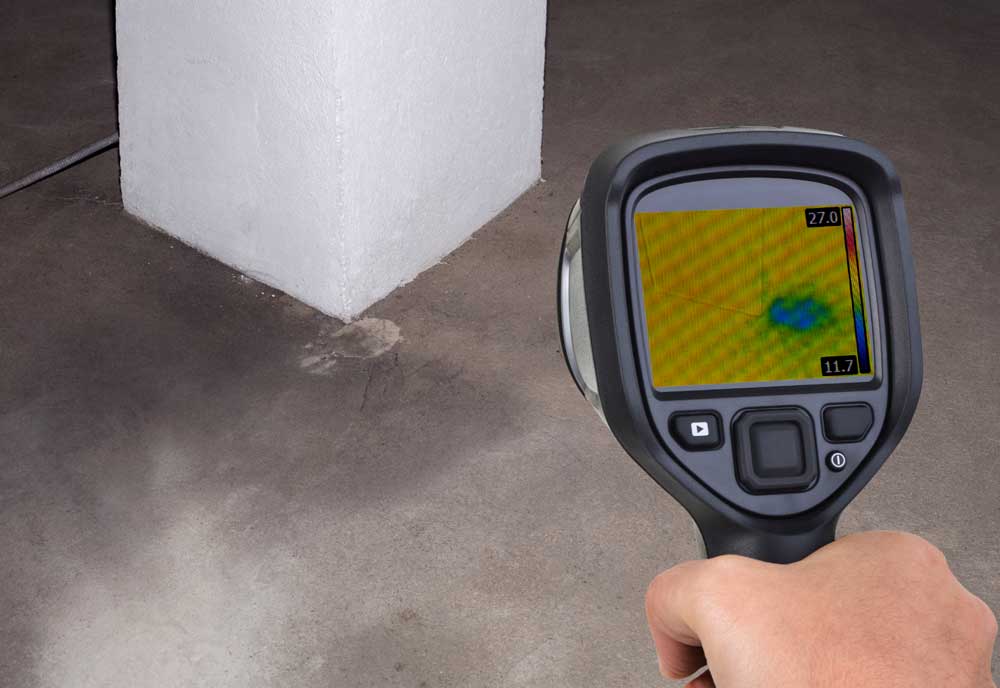
For our team, prompt and professional service is the priority, and our highly trained technicians handle repairs efficiently to keep your home safe and comfortable. Advanced professional leak detection tools let us find the source fast and prevent further complications.
Local Gas Line Regulations and Safety Standards in Saginaw, TX
Gas line work in Saginaw, TX, is governed by local permit, installation, and reporting rules that exist to keep your home and neighborhood safe. Understanding the basics helps you appreciate why professional service matters.
- Permits and Inspections: Required permits should be obtained before any gas line work, and inspections confirm that everything meets current safety codes.
- Installation Standards: Gas appliances and lines must follow specific installation standards designed to minimize risk.
- Reporting Requirements: Knowing the local protocols for reporting a g