
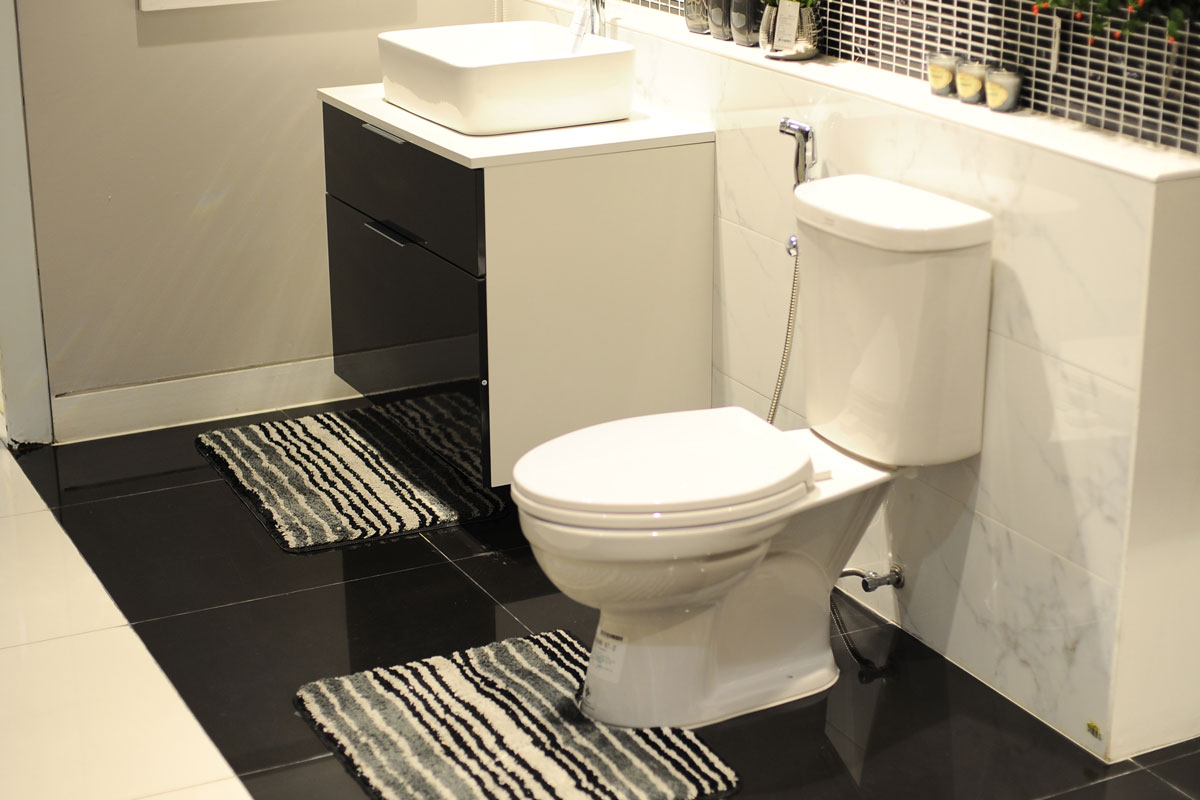
Are you planning a bathroom remodel but feel overwhelmed by plumbing details? Whether assessing your existing pipes, choosing the right water heater, or ensuring proper drain installation, the plumbing aspects can be daunting. This post will cover essential considerations, such as evaluating your plumbing infrastructure, selecting suitable fixtures, and navigating regulations. By understanding these factors, you’ll make informed decisions that enhance your remodel, ensuring durability and functionality while eliminating common plumbing headaches.
Evaluating Your Existing Plumbing Infrastructure
Evaluating your existing plumbing infrastructure is essential as you begin your bathroom remodel. Start by inspecting the current pipe conditions and materials, assessing water pressure and flow rates, and identifying any leaks or corrosion. Additionally, determine the efficiency of your drainage systems, including pumps and water supply lines, to ensure optimal remodel plumbing outcomes for your home.
Inspect Current Pipe Conditions and Materials
When assessing the pipe conditions in your bathroom during your renovation, you must closely examine the materials used. Pipes made from outdated materials, such as galvanized steel or polybutylene, can impair the longevity of your plumbing system and increase the risk of leaks. Consider upgrading modern, durable options like copper or PVC, especially if these pipes run through the walls or areas exposed to basement humidity.
In addition to material inspections, pay attention to leak detection signs, such as water stains and dampness, which can indicate underlying issues. Thoroughly check visible and hidden plumbing, as undetected leaks can lead to extensive damage. By ensuring your plumbing infrastructure is solid, you can avoid future complications and enhance the effectiveness of your bathroom renovation:
- Inspect existing pipe materials
- Identify any leaks or corrosion
- Check for signs of dampness or water stains
- Consider pipe upgrades for improved longevity
- Evaluate water flow and pressure performance
Assess Water Pressure and Flow Rates
Assessing water pressure and flow rates is critical in ensuring your bathroom remodel meets your family’s needs. Low water pressure can result in unsatisfactory shower experiences and inefficient water use, leading to frustration. By checking your plumbing infrastructure for adequate pressure levels, you can identify if upgrades to your existing systems, including the boiler or water supply lines, are necessary. High-quality plumbing services can help you evaluate pressure consistency, ensuring that every remodel fixture delivers the expected performance.
Understanding how flow rates impact your overall water usage and efficiency is also essential. If you notice a significant drop in flow, it could indicate issues such as clogging or outdated pipes needing replacement. Ensuring optimal water flow enhances customer satisfaction and contributes to long-term savings on water bills.
Identify Any Leaks or Corrosion
As you prepare for your bathroom remodel, identifying any leaks or corrosion in your plumbing is essential to avoid complications. Look for water stains around pipes, particularly in areas beneath the floor or behind walls, as these can indicate hidden leaks that may compromise the integrity of your remodel’s construction. Corroded pipes increase the risk of leaks and can lead to further complexity in your plumbing, potentially voiding warranties on new fixtures if not addressed properly.
To ensure a successful renovation, conducting a thorough inspection of your existing plumbing infrastructure is vital. Any signs of deterioration should prompt immediate attention, as they can contribute to costly repairs later. By addressing leaks and corrosion now, you safeguard your investment and enhance the overall efficiency and reliability of the new bathroom fixtures you’ll be installing.
Determine the Efficiency of Drainage Systems
Determining the efficiency of your drainage systems is crucial for a successful bathroom remodel. This involves thoroughly inspecting your existing plumbing to ensure that sinks and other fixtures drain properly. If you notice any slow drainage or pooling water, it may indicate underlying issues that can lead to moisture problems and eventual damage, affecting both the comfort and safety of your space.
Addressing drainage efficiency improves functionality and enhances customer satisfaction with your newly remodeled bathroom. By examining your drainage systems’ connections and flow rates, you can identify any necessary upgrades or repairs before installation begins. A well-functioning drainage system is essential for avoiding potential leaks and maintaining a clean, dry environment, particularly important in high-use areas like bathrooms.
Planning the Ideal Bathroom Layout
When planning your