
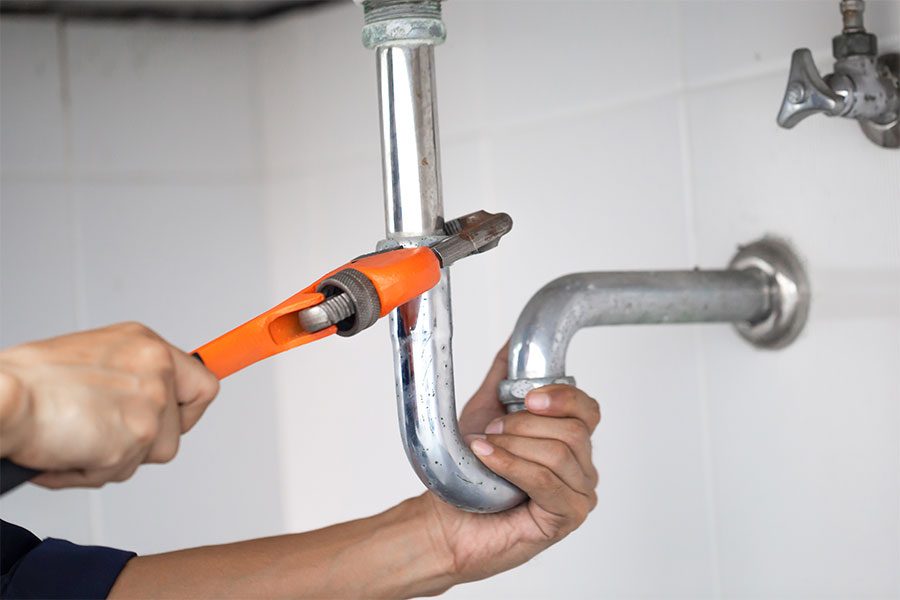
In a Haslet plumbing emergency, act in this order: shut off the water to stop the damage, stay safe by avoiding standing water and gas, note the details of what happened, and clear access for the plumber. Fast water shut-off is the most important step because it limits flooding while help is on the way. Based on what we see across Haslet homes, calm and quick action before the plumber arrives often saves hundreds in water damage. The repair itself is best left to a licensed professional.
How Do You Assess a Plumbing Emergency?
Start by identifying the source and severity so you can describe the problem clearly when you call. Take a breath first, then look at what is actually happening. Is water gushing from a pipe, or is it a slow leak?
Look for the source of the trouble. Visible leaks, unusual sounds, or a sudden change in water pressure all offer clues about where the problem is coming from.
Next, gauge the severity. A dripping faucet is a minor issue, while a burst pipe is urgent and needs immediate attention. Make a mental note of which areas of the home are affected.
Finally, gather a few basics, like the type of plumbing system you have and the age of your fixtures. Sharing those details helps us diagnose faster, and having our emergency plumbing team on the way means licensed, insured professionals are handling the situation from the moment you call.
Why Should You Shut Off the Water First?
Shutting off the water is the fastest way to stop a plumbing emergency from getting worse. It limits flooding and protects your floors, walls, and belongings while you wait for help.
Locate the main shut-off valve, usually near the water meter or where the main line enters your home. Turning it clockwise stops the flow of water to the whole house. If the problem is isolated to one fixture, like a sink or toilet, you can also close the individual valve nearby.
Once the water is off, check the area for leaks or visible damage. Draining the faucets relieves remaining pressure in the lines until help arrives.
If water keeps appearing after the supply is off, hidden moisture may be the cause. Professional help locating a hidden leak pinpoints the source so nothing goes unnoticed behind a wall or under a slab.
What Information Should You Have Ready for the Plumber?
Have the key details ready, so the plumber can diagnose the problem faster. A little preparation makes the whole visit smoother and quicker.
Note what caused the issue, any unusual sounds or smells, and how long it has been going on. Then identify the nature of the problem as best you can, whether it is a leak, a backup, or something else.
Gather a few facts about your home too, like its age and any past plumbing issues. If you have had recent repairs or modifications, mention those as well.
Lastly, keep your contact information and any relevant warranties handy. These small details streamline communication and help the plumber arrive ready to solve the problem.
How Can You Stay Safe During a Plumbing Crisis?
Stay safe by keeping away from standing water, shutting off the water supply, and treating any gas smell as an immediate evacuation situation. Your safety always comes before the plumbing.
Avoid stepping into standing water, since it may be electrically charged. If you smell gas, leave the home right away and call the gas company from a safe distance.