

Imagine a family in Arlington, TX, who decided to install a gas line themselves to save some money. Unfortunately, they overlooked key safety regulations and faced a dangerous situation. This scenario highlights the importance of understanding gas line installation guidelines. Knowing what to follow can prevent costly mistakes and guarantee your home remains safe. Are you equipped with the right knowledge to handle this critical task?
Set your project up for safety and success with the help of Arlington plumbing specialists who know local codes and best practices.
Understanding the Importance of Professional Gas Line Installation
When it comes to your home’s safety and efficiency, understanding the importance of professional gas line installation is vital.
You rely on gas for heating, cooking, and other daily tasks, so it’s imperative to guarantee that your gas lines are installed correctly. A professional installation minimizes the risk of leaks, which can lead to dangerous situations.
Trained technicians have the expertise to assess your home’s specific needs and use the right materials for a safe setup. Additionally, they adhere to professional gas line installation protocols to protect your home and family during the installation process.
Key Regulations and Codes for Gas Line Installation in Arlington, TX
To guarantee the safety and efficiency of your gas line installation in Arlington, TX, it’s important to be aware of the key regulations and codes that govern this process.
First, familiarize yourself with the National Fuel Gas Code (NFPA 54), which outlines safety requirements for gas piping systems. Arlington also adheres to local amendments that may impose additional standards.
You’ll need to obtain the necessary permits before starting any installation, making sure your work complies with city regulations.
It’s vital to use approved materials, such as specific types of piping and fittings, to meet safety standards.
Additionally, all installations must be performed by a licensed professional familiar with local codes. This not only guarantees compliance but also protects you from potential hazards. For added peace of mind, consider hiring slab and gas leak repair experts to conduct thorough inspections and ensure your gas line is safe and secure.
Essential Tools and Materials for Safe Gas Line Installation
Understanding the regulations and codes for gas line installation is just the beginning; having the right tools and materials is equally important for ensuring a safe setup.
Start with quality gas pipes, typically made of black iron or copper, which can withstand high pressure. You’ll also need gas fittings, including elbows and tees, to connect the pipes securely.
Don’t forget a pipe wrench for tightening and loosening joints, and Teflon tape to create a leak-proof seal on threaded connections. A gas leak detector is essential for safety, allowing you to identify any leaks quickly.
Additionally, having a drill and proper drill bits will help you navigate through walls as needed. Finally, safety gear like gloves and goggles is vital to protect yourself during the installation.
Equipping yourself with these tools and materials is crucial, especially when considering the importance of leak detection and repair services to ensure your gas line is safe and functional.
Steps to Ensure a Safe and Efficient Gas Line Installation
Before you begin your gas line installation, it’s crucial to create a detailed plan to guarantee safety and efficiency throughout the process. Start by checking local regulations and securing necessary permits. Make certain you’ve gathered all the important tools and materials listed earlier.
Next, identify the best route for your gas line, avoiding any obstacles or hazards. Use a pipe cutter for clean cuts and verify all fittings are compatible. As you work, double-check that connections are tight and leak-proof.
Once installation is complete, apply a soap solution to joints to detect leaks—bubbles indicate a problem. If everything checks out, turn on the gas supply gradually, monitoring for any irregularities. Additionally, consider scheduling a water leak detection service to ensure there are no hidden leaks in your home’s plumbing system.
Finally, document your installation for future reference and consider a professional inspection to confirm compliance with safety standards. Following these steps will help you achieve a safe and efficient gas line installation.
Signs You May Need to Call a Professional for Gas Line Issues
Even with careful installation of your gas line, issues can still arise that require professional attention.
If you notice a rotten egg smell, it’s a strong indicator of a gas leak. Don’t ignore this warning—immediate action is vital.
Additionally, if your gas appliances are malfunctioning or not igniting properly, it could signal underlying gas line problems.
Another red flag is the presence of hissing or whistling sounds near your gas lines, which often indicates a leak.
Inconsistent gas pressure can also be a sign that your system needs professional evaluation.
If you experience frequent headaches or nausea, it’s important to take into account that gas exposure may be the cause.
Always trust your instincts; if something feels off, don’t hesitate to reach out to experts like Benjamin Franklin Plumbing of Fort Worth. They can provide the reliable service you need for peace of mind.
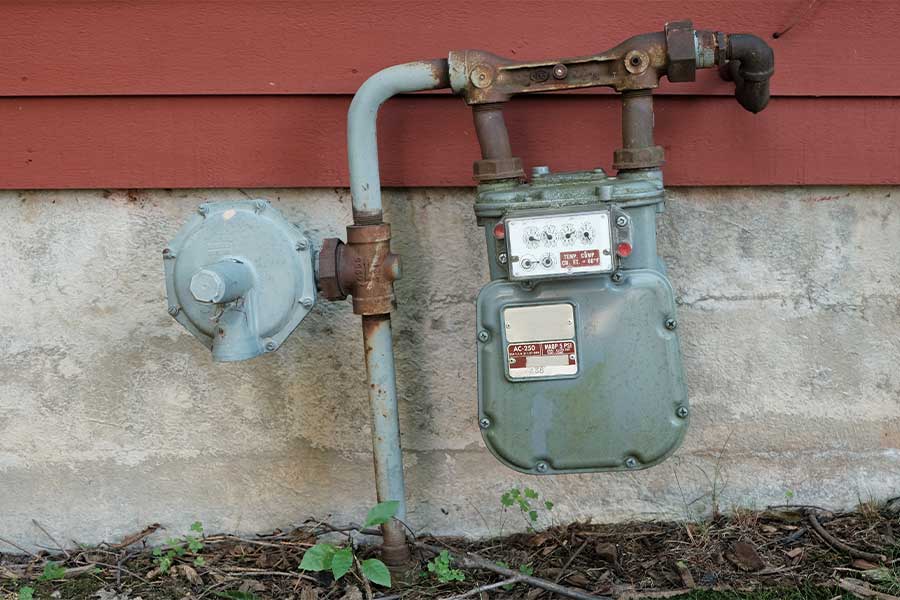
Make Safety Your Standard—Book Your Inspection
In the world of gas line installation, think of your home as a ship maneuvering through stormy seas. By following these vital guidelines and relying on licensed professionals, you’re steering clear of hidden dangers that could compromise your safety. Just like a sturdy anchor keeps a vessel steady, compliance with regulations guarantees your home remains secure. Never settle for less—schedule a gas line inspection today and keep your Arlington home safe for years to come.