

Water leaks can silently wreak havoc on your home, while often appearing harmless at first glance. In Dalworthington, TX, being proactive about leak detection is essential to protect your property. From monitoring your water bill to inspecting plumbing fixtures, there are simple yet effective strategies you can employ. Discovering these tips could save you from costly repairs and preserve your home’s value. Are you ready to take the first step in safeguarding your investment?
For specialized local support, Dalworthington plumbing specialists are available to help with all water leak issues you may encounter.
Understanding Common Signs of Water Leaks
Water leaks can silently wreak havoc on your home, leading to costly damage if left unchecked. To catch these leaks early, keep an eye out for some common signs.
First, check for water stains on walls or ceilings; these often signal a hidden leak. You might also notice damp spots or mold growth, indicating excess moisture in an area.
Pay attention to your water bill, too—if it suddenly spikes without any explanation, that could mean a leak is lurking somewhere. Additionally, listen for the sound of running water when all fixtures are turned off; that’s a red flag.
Finally, inspect your water pressure; if it drops unexpectedly, it could point to a leak. Furthermore, if you observe yard line leak repair experts, they can address issues related to yard line leaks that may be causing high water bills and water waste. By staying vigilant and recognizing these signs, you can prevent serious damage and save yourself from expensive repairs down the line.
Utilizing Your Water Meter for Leak Detection
One effective method for detecting leaks in your home is by utilizing your water meter. Start by ensuring all taps and appliances are off, then check the meter reading. Take note of the number displayed.
After an hour or two, check the meter again. If the reading has changed, you may have a leak.
Next, pay attention to the small dial on your meter, often called the leak indicator. If it’s moving while everything’s off, it’s a sign of a leak.
To pinpoint the issue, you can isolate sections of your plumbing. Turn off the main valve and check the meter; if it stops moving, the leak is likely in your home.
If it continues, it’s probably in the service line. Additionally, water leak detection services can provide more accurate results and help address any issues quickly.
Inspecting Indoor Plumbing Fixtures
When inspecting indoor plumbing fixtures, start by checking for any visible leaks around sinks, toilets, and showers. Even small drips can lead to larger issues if left unchecked. You should also monitor your water meter usage to catch any unusual spikes that might indicate hidden leaks. Using professional plumbing leak detection technology, like infrared cameras, can help identify leaks that are not visible to the naked eye.
Check for Visible Leaks
Visible leaks in your plumbing can lead to significant damage and costly repairs if left unchecked.
Start your inspection by checking under sinks, around toilets, and near appliances like dishwashers and washing machines. Look for water pooling or any signs of dampness.
Don’t forget to inspect exposed pipes, as even small drips can escalate into bigger issues. Pay attention to your faucet handles and showerheads; mineral buildup can sometimes disguise leaks.
If you spot discoloration or water stains, take action immediately. Document any issues you find, and consider contacting a professional plumber like Benjamin Franklin Plumbing of Fort Worth for a thorough assessment.
Monitor Water Meter Usage
After checking for visible leaks, it’s important to keep an eye on your water meter usage.
Monitoring your meter can help you catch hidden leaks before they become costly disasters. Here’s how to do it effectively:
- Record your meter reading at the beginning of the day.
- Avoid using water for a few hours, then check the reading again.
- Calculate the difference: If it’s increased, you might’ve a leak.
- Repeat this process regularly to track any unusual spikes.
Checking for Moisture in Walls and Ceilings
How can you tell if there’s moisture lurking behind your walls or ceilings? Start by inspecting for discoloration or stains. Look for yellow or brown spots, which often indicate water damage.
Next, tap the walls; a hollow sound might suggest there’s a problem inside. Don’t forget to check for peeling paint or wallpaper, as these are signs of moisture buildup.
You can also run your hand along the walls and ceilings to feel for dampness or temperature changes; cold spots often mean moisture is present. If you notice a musty smell, it could signal mold growth due to trapped moisture.
Using a moisture meter can provide a more accurate reading. These devices measure the moisture content in your walls, helping you identify issues before they escalate. It’s essential to address these concerns promptly by contacting expert plumbers who specialize in leak detection and repair to prevent further damage.
For a deeper dive into efficient leak detection tips and expert guidance, review recent resources like professional plumbing leak detection for actionable advice and technology insights.
If you suspect a leak, reach out to a professional for a thorough inspection and remediation.
Monitoring Your Water Bill for Unexplained Increases
Ever wondered why your water bill suddenly spikes without any change in your usage? This could be a sign of a hidden leak.
Keeping an eye on your bill can help you catch these issues early. Here are four things to evaluate:
- Compare monthly bills: Look for unusual patterns or sudden increases.
- Track seasonal changes: Remember that fluctuations might occur with watering schedules or seasonal habits.
- Check for discrepancies: If your bill doesn’t match your family’s usage, something might be amiss.
- Investigate before it’s too late: A small leak can turn into a major expense if ignored.
Examining Outdoor Spigots and Hoses
When examining outdoor spigots and hoses, start by inspecting hose connections for any signs of looseness or leaks.
Next, check the spigots themselves for cracks or damage that could lead to water loss.
Addressing these issues quickly can save you from bigger problems down the line.
Inspect Hose Connections
While you mightn’t think twice about your outdoor spigots and hoses, inspecting these connections is essential for preventing water leaks.
A little attention now can save you from bigger problems later. Here’s what to check:
- Tightness: Verify hose connections are snug to prevent leaks.
- Wear: Look for fraying or cracking in hoses that could lead to breaks.
- Fittings: Examine connectors for corrosion or damage.
- Alignment: Make sure hoses aren’t kinked or twisted, which can cause pressure build-up.
Taking the time to inspect these areas not only saves water but also protects your home from potential water damage.
If you discover any issues, don’t hesitate to call a professional for help!
Check for Cracks
To prevent leaks and potential water damage, it’s important to regularly check your outdoor spigots and hoses for cracks.
Start by inspecting the spigot itself; look for any visible fissures or damage that could lead to leaks. Next, examine the hose for splits, particularly near the fittings where wear and tear often occur.
Even small cracks can let water escape, so don’t overlook minor imperfections. If you spot any damage, replace the spigot or hose immediately to avoid further issues.
Additionally, make certain your hoses are stored properly during the off-season to prevent freezing and cracking.
Staying proactive with these checks will save you from costly repairs down the line and keep your outdoor plumbing in top shape.
Assessing Your Home’s Foundation for Signs of Water Damage
As you evaluate your home’s foundation, keep an eye out for signs of water damage that could lead to costly repairs.
Ignoring these issues can be a real nightmare, so here are some key indicators to watch for:
- Cracks in the walls – Horizontal or diagonal cracks can signal serious moisture problems.
- Uneven floors – Bouncing or sloping floors may indicate shifting due to water damage.
- Musty odors – A persistent damp smell can mean mold growth, hinting at hidden leaks.
- Water pooling – Standing water around your foundation can lead to significant structural issues.
Listening for Unusual Sounds in Pipes
After checking your home’s foundation for signs of water damage, pay attention to the sounds coming from your pipes. Unusual noises can be a telltale sign of underlying issues, such as leaks or blockages.
Listen for gurgling, hissing, or dripping sounds that seem out of the ordinary. These noises can indicate that water is escaping from a damaged pipe or that air is trapped in the system.
If you hear a constant dripping or running water noise when no taps are on, it’s time to investigate further. You might also notice banging or knocking sounds, often referred to as “water hammer,” which can signal a pressing issue.
Don’t ignore these sounds; they can help you pinpoint leaks before they escalate into costly repairs. If you’re unsure, consider calling a professional plumber to assess the situation and verify your plumbing system is functioning properly.
Conducting a Simple Food Coloring Test in Toilets
If you suspect a leak in your toilet, conducting a simple food coloring test can quickly confirm your concerns. Here’s how to do it:
- Grab some food coloring: Choose any color you like; it’ll make the test easier to see.
- Add it to the tank: Pour a few drops into the toilet tank and wait about 15-30 minutes.
- Check the bowl: If you notice the color seeping into the bowl, you’ve got a leak.
- Take action: Don’t ignore it! A leaking toilet can waste gallons of water daily and increase your bill.
This quick test can save you from larger plumbing issues down the line.
If you see that food coloring in your bowl, it’s a clear sign you need to address the issue.
Seeking Professional Assistance When Needed
When you notice signs of a leak, seeking professional assistance can prevent minor issues from becoming costly repairs.
Don’t wait until water damage becomes severe; the sooner you act, the better. A skilled plumber can quickly identify the source of the leak and recommend effective solutions.
At Benjamin Franklin Plumbing of Fort Worth, their team is known for prompt, reliable service, ensuring your plumbing issues are resolved efficiently.
They use the latest tools and techniques to tackle any problem, big or small. Plus, with guaranteed satisfaction and transparent communication, you can trust that you’re making informed decisions about your home’s plumbing.
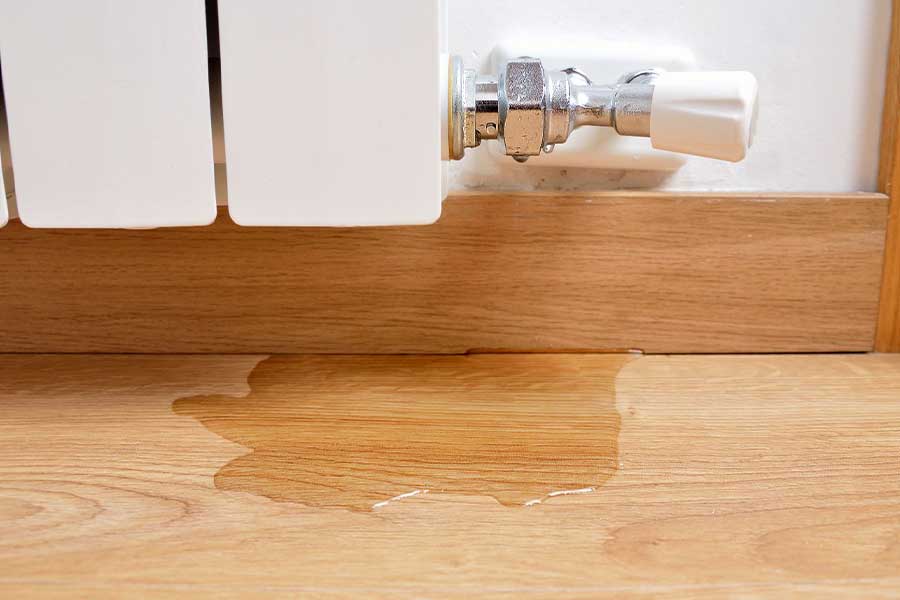
Safeguard Your Home—Schedule Your Leak Inspection
By staying vigilant and proactive, you can protect your home from costly water damage. Regularly inspect for signs of leaks, monitor your water bill, and listen for unusual sounds in your plumbing. For expert help and assurance, schedule your leak inspection and take the first step toward preserving your Dalworthington home’s integrity.